A Harsh Truth — And I Know This Will Hit Some Nerves
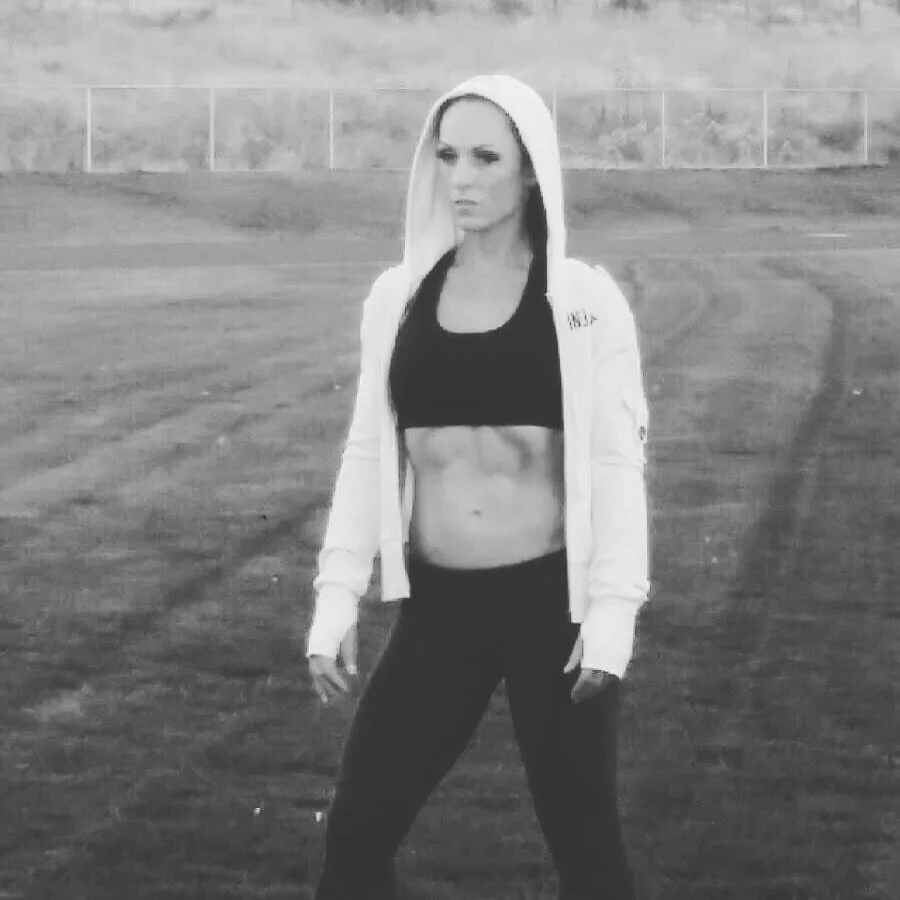
I know this will hit some cords.
I know some people won’t like it.
But it needs to be said.
I do not believe competing is a healthy or appropriate path for most women — and that belief has cost me clients, money, and reputation over the years. I’m okay with that.
Because what I’ve seen in the trenches tells a very different story than what social media sells.
When Fitness Becomes an Obsession Instead of a Tool
I’ve had women come to me with full eating disorder histories, anxiety, depression, and fragile relationships with food and their bodies — insisting they want to compete.
They tell themselves it will be different this time.
That flexible dieting makes it safe.
That structure will fix them.
That a show date will give them purpose, confidence, or control.
It doesn’t.
A show date doesn’t heal anxiety.
A stage doesn’t fix self-worth.
Extreme focus doesn’t magically resolve obsessive tendencies — it feeds them.
For women, competing comes with huge costs — mentally, hormonally, emotionally. Fitness stops being a tool and becomes the center of identity. Every thought, every choice, every ounce of self-worth becomes tied to leanness, compliance, and validation.
And the feeling is never enough.
Lean enough… but not happy enough.
Disciplined enough… but still not confident.
Strong enough… but always chasing more.
This is the part people don’t talk about.
Very Few Women Are Truly Built for Competition
The truth is simple: very few women have the mental fortitude, metabolic genetics, and structural genetics to actually do well in competition.
And doing well matters. No matter what anyone says about “just showing up to have fun.” Because let’s be honest — it’s never fun being in the last call-out, constantly comparing yourself, and feeling like you don’t measure up.
If you don’t believe me right now — that’s fine. Come back in five years, after you’ve spun your wheels at it, and tell me I’m wrong.
Why Radical Honesty Can Upset People
I’ve had women leave me for other coaches because I refused to take them down an extreme path.
One time, a former competitor screamed at me outside a show theatre insisting I wasn’t “good enough” as a coach.
I’ve also been on the receiving end of borderline abuse online simply for holding a conviction and belief built upon three decades of experience.
All is forgiven and forgotten — but it’s a perfect example of how insane this “sport” can make women behave when obsession, stress, and the pressure to perform take over.
In the moment, it all feels so relevant and important. The self-importance that comes from the obsession, the deadlines, the stage, and the comparison makes women act in ways they normally wouldn’t — lashing out, bending their ethics, ignoring their health, or even unfollowing or “unliking” people online because they think they’re standing in the way of their best self.
I get it. They wanted a cheerleader. Someone to tell them it was okay to go extreme. But my job isn’t to enable self-destruction. My job is to protect women from paths that could harm their body, mind, and long-term relationship with fitness.
The Reality of Competition
I’ve seen drama created by women who are depleted and out of their normal, kind selves — turn downright nuclear when hungry and exhausted.
I’ve seen women sexually exploited, gain significant weight after competing, and face years of face-down moments chasing a stage body.
These are not hypothetical outcomes. They are the reality for the majority of women who push past their limits in extreme competition.
This Isn’t Anti-Ambition — It’s Pro-Human
There are women who can compete and walk away relatively unscathed. They are the exception, not the rule.
For most women, the cost — mentally, hormonally, emotionally — outweighs the reward. And when fitness becomes your entire identity, there’s very little left to stand on when the stage lights turn off.
I believe fitness should add to your life, not consume it.
Build confidence, not conditional worth.
Create strength, not fragility disguised as discipline.
The Bottom Line
I’m not here to cheerlead extremes.
I’m here to protect women — sometimes even from their own short-term desires.
And if that truth makes some people uncomfortable, I can live with that.
Because I’ve seen what happens when no one tells it