GLP-1s and Therapeutic Peptides: Powerful Tools — Why Coaching Still Matters
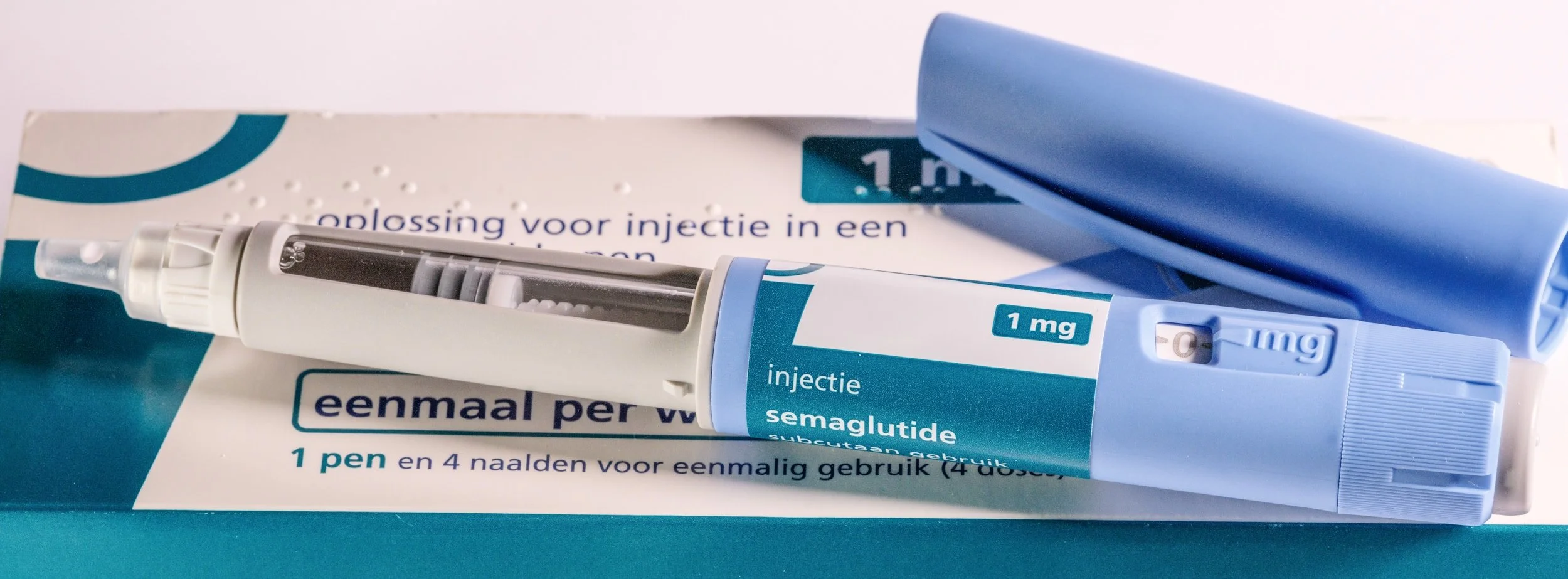
GLP-1 medications and therapeutic peptides are becoming more common in the health and fitness space, especially among women over 40 who are navigating hormonal shifts, stubborn fat loss, injuries, inflammation, or recovery challenges.
I want to be clear from the start:
I’m not opposed to them.
I’ve seen GLP-1s help some women quiet constant food noise, and I’ve seen peptides like BP-157 and TB-500 significantly improve recovery, gut health, and injury healing in both clients and colleagues.
These tools can be incredibly helpful — when used thoughtfully.
But they are still just tools.
Without structure, education, and coaching, even the best tools can create new problems instead of long-term solutions.
The Potential Upside
GLP-1s
When used appropriately and under proper supervision, GLP-1s can:
Reduce persistent food noise and cravings
Improve blood sugar regulation
Create space to step out of chronic dieting cycles
Help women who feel stuck despite consistent effort
For the right person, this can provide relief and momentum — not a shortcut.
Therapeutic Peptides (BP-157, TB-500, and others)
When sourced responsibly and used correctly, peptides can:
Support tendon, ligament, and soft tissue healing
Improve gut integrity and reduce inflammation
Enhance recovery between training sessions
Help women return to consistent training after injury or chronic pain
Consistency is everything, especially as we age — and recovery plays a huge role in that.
The Real Downsides (When Used Without Guidance)
1. Muscle Loss and Poor Body Composition
GLP-1s reduce appetite — they do not protect muscle.
Without adequate protein intake and structured strength training, many women lose lean mass along with scale weight, which ultimately slows metabolism and undermines long-term results.
Peptides may improve recovery signals, but they don’t correct poor programming or protect against overuse.
2. Nutrition Gaps and Hormonal Stress
When hunger drops dramatically, many women unintentionally:
Eat far too little
Miss key micronutrients
Remain in prolonged calorie deficits
Increase thyroid and adrenal stress
This is especially problematic for women in peri-menopause and menopause, where under-fueling compounds hormonal disruption.
3. No Long-Term Plan
One of the most common issues I see is the absence of a long-term strategy.
Women start medications or peptide protocols without learning:
How to fuel properly for their body
How to train for longevity
How to adapt through hormonal transitions
How to transition off support tools without rebound
Results become dependent on the tool instead of built into the lifestyle.
The Real Cost of Skipping Coaching
The issue isn’t women using GLP-1s or peptides — it’s using them without personalized guidance.
These tools don’t account for:
Your individual energy needs
Your training history or injury profile
Your hormonal stage
Your stress load, sleep, and lifestyle
Your mindset and relationship with food
Personalized Nutrition Matters More — Not Less
When appetite is suppressed or recovery is enhanced, nutrition must be intentional.
Without coaching, many women:
Undereat protein
Miss essential micronutrients
Stay in chronic energy deficits
Compromise muscle retention and hormonal health
Personalized nutrition ensures you are:
Fueling enough to protect lean mass
Supporting gut and hormone health
Adjusting intake as your body adapts
Making informed choices rather than relying solely on appetite cues
Custom Strength Training Is Non-Negotiable
GLP-1s don’t preserve muscle.
Peptides don’t replace smart programming.
Without a custom strength plan, women often:
Lose muscle alongside weight loss
Train inconsistently or randomly
Push through pain because recovery “feels better”
Miss the opportunity for true body-composition change
Coaching ensures training is:
Progressive, not punishing
Adjusted for joints, injuries, and recovery capacity
Designed to maintain or build lean tissue
Aligned with your goals and stage of life
Accountability While Working on Mindset
No tool changes mindset — coaching does.
When hunger cues, body image, or motivation shift, it’s easy to:
Disconnect from your body
Fall back into all-or-nothing thinking
Rely on the tool instead of learning from the process
Lose confidence once the tool is removed
Accountability provides:
Objective feedback instead of emotional decisions
Support through plateaus and transitions
Guidance when fear or old dieting patterns resurface
A framework to rebuild trust in your body
An Open-Minded, Supported Approach to Modern Health
I am open-minded and supportive of exploratory and integrative approaches to health, including the thoughtful use of GLP-1s and therapeutic peptides when appropriate.
I don’t believe in dismissing tools — or blindly following trends.
The women I work with want:
Informed, evidence-aware guidance
Personalized decision-making
Strength-focused outcomes
Long-term sustainability
That requires coaching that understands both modern tools and foundational principles.
How I Support Women Exploring These Tools
1:1 Coaching
My 1:1 coaching is for women who want:
Fully individualized nutrition and training
Support while using or transitioning off GLP-1s or peptides
A safe, judgment-free space to explore integrative options
Long-term strategies instead of temporary fixes
This is the highest level of personalization and oversight.
SHIFT 40+ Coaching
SHIFT 40+ is designed for women who:
Are done with chronic dieting and extremes
Want strength, confidence, and sustainability
Are navigating peri-menopause or menopause
Want informed support — even while exploring modern tools
SHIFT focuses on building a foundation so no medication or peptide becomes the thing holding your results together.
The Bottom Line
You don’t need to choose between:
Coaching or modern medicine
Structure or flexibility
Science or intuition
You need a framework that allows all of it to work together.
If you’re considering GLP-1s or therapeutic peptides — or already using them — and want support from a coach who is informed, open-minded, and focused on long-term health, this is exactly the work I do.
💎 Tools can support the process.
💎 Coaching creates the outcome.